
How to Keep Bathroom Silicone Sealants Mould-Free

Mould thrives in warm, damp environments, making the silicone sealant around bathtubs, showers, and sinks a prime target. Because high-quality silicone is non-porous, mould usually feeds on accumulated soap scum and trapped surface moisture rather than the sealant itself. Stopping mould before it takes root requires a combination of moisture control, regular maintenance, and smart material choices.
1. Eliminate Standing Moisture
-
Wipe down after use: Keep a microfibre cloth or shower squeegee nearby. Taking 30 seconds to wipe down the silicone joints after bathing removes the standing water droplets that mould needs to germinate.
-
Ventilate immediately: Run the bathroom extractor fan during every shower and leave it on for 20–30 minutes afterward. If your bathroom lacks a fan, open windows and leave the door open to lower indoor humidity.
2. Remove Mould’s Food Source 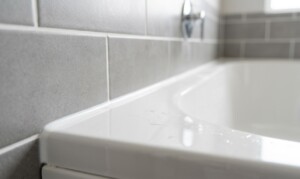
Soap residue, body oils, and shampoo build-up create an ideal breeding ground for fungal spores on top of the seal.
-
Weekly cleaning: Clean the silicone weekly using a neutral bathroom cleaner or a mild dish soap solution to remove film build-up.
-
Avoid abrasive tools: Never scrub silicone with wire brushes or harsh scouring pads. Scratches in the sealant create microscopic grooves where moisture and spores settle, making future mould much harder to remove.
3. Use Preventive Anti-Fungal Sprays
-
Distilled white vinegar: Spray undiluted white vinegar onto the silicone once or twice a week after drying the shower. Its natural acidity creates an inhospitable environment for spores without breaking down the silicone.
-
Tea tree oil spray: Mix 1 teaspoon of tea tree oil with 1 cup of water in a spray bottle. As a natural fungicide, a light mist left to dry on the sealant helps keep fungal growth at bay.
4. Upgrade to Sanitary Silicone
If the existing sealant is peeling, cracked, or discoloured underneath the surface, preventive cleaning will no longer work because moisture is trapped behind the seal.
-
Select the right product: When re-sealing, use a 100% sanitary-grade silicone containing active anti-mould fungicides.
-
Prep the surface thoroughly: Ensure the joint is completely clean, free of old sealant residues, and 100% dry before applying new silicone to prevent trapping moisture behind the fresh bead.